
our mission
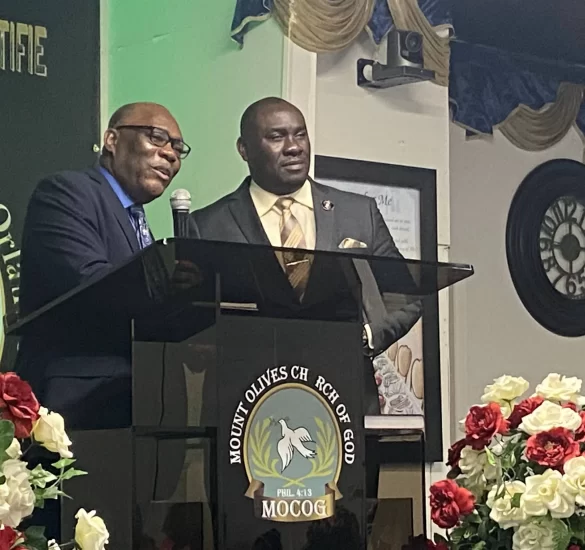
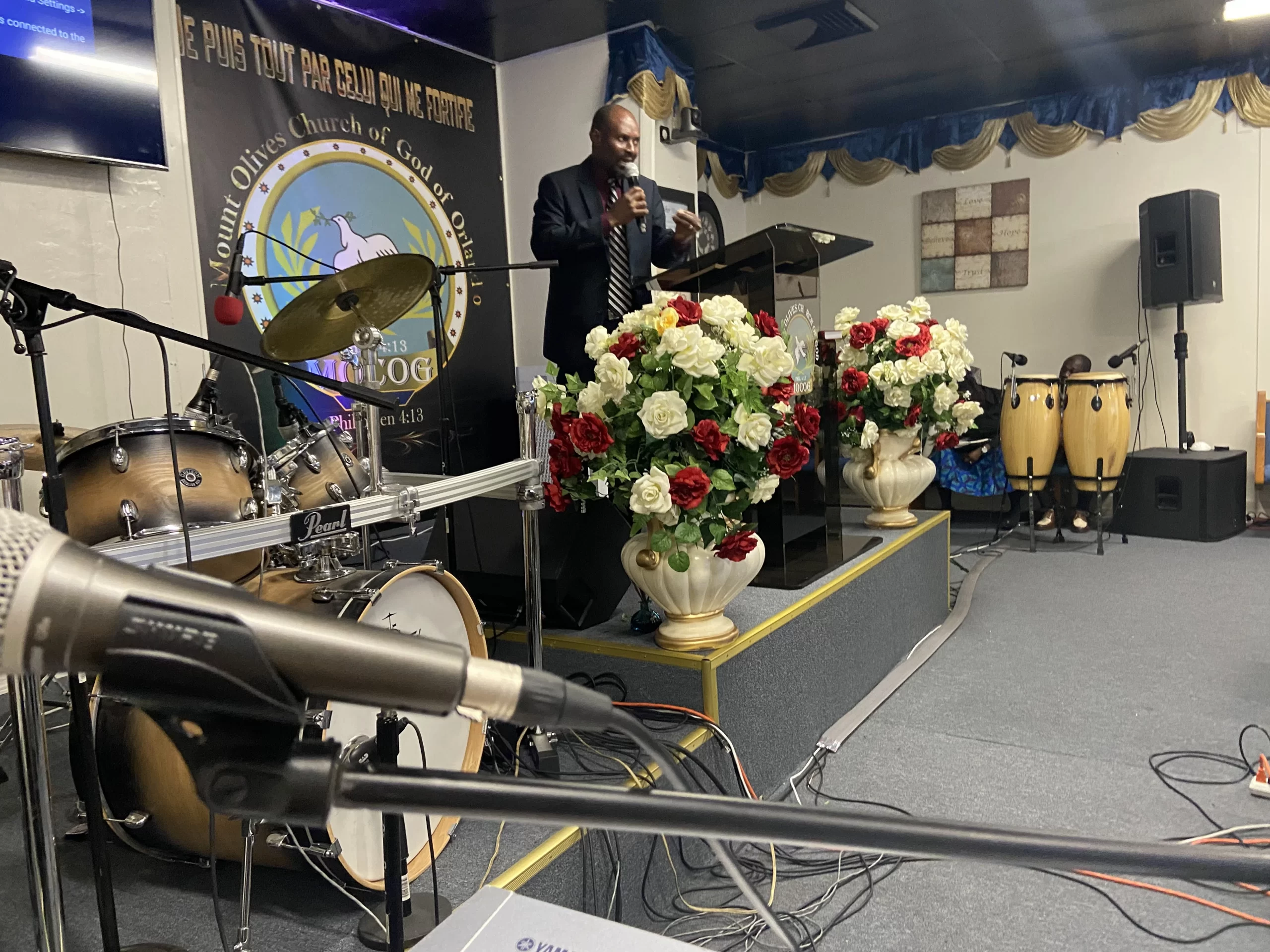
Mount Olives Church of God of Orlando, Inc is worship place that is established to preach the gospel of Jesus Christ through teaching the words of God to the community and around the world.
our vision
Our vision is to prepare young man and woman to become fervent servant of the Lord Jesus Christ in the U.S and around world.
our promise
We expect when people come to our congregation to be bless and feel the power of the Holy Spirit moving through them.
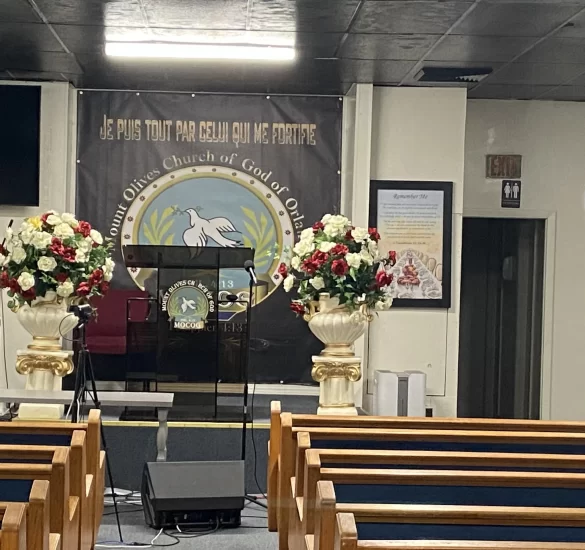
Unite in Faith: Join Our Vibrant Church Community Today!
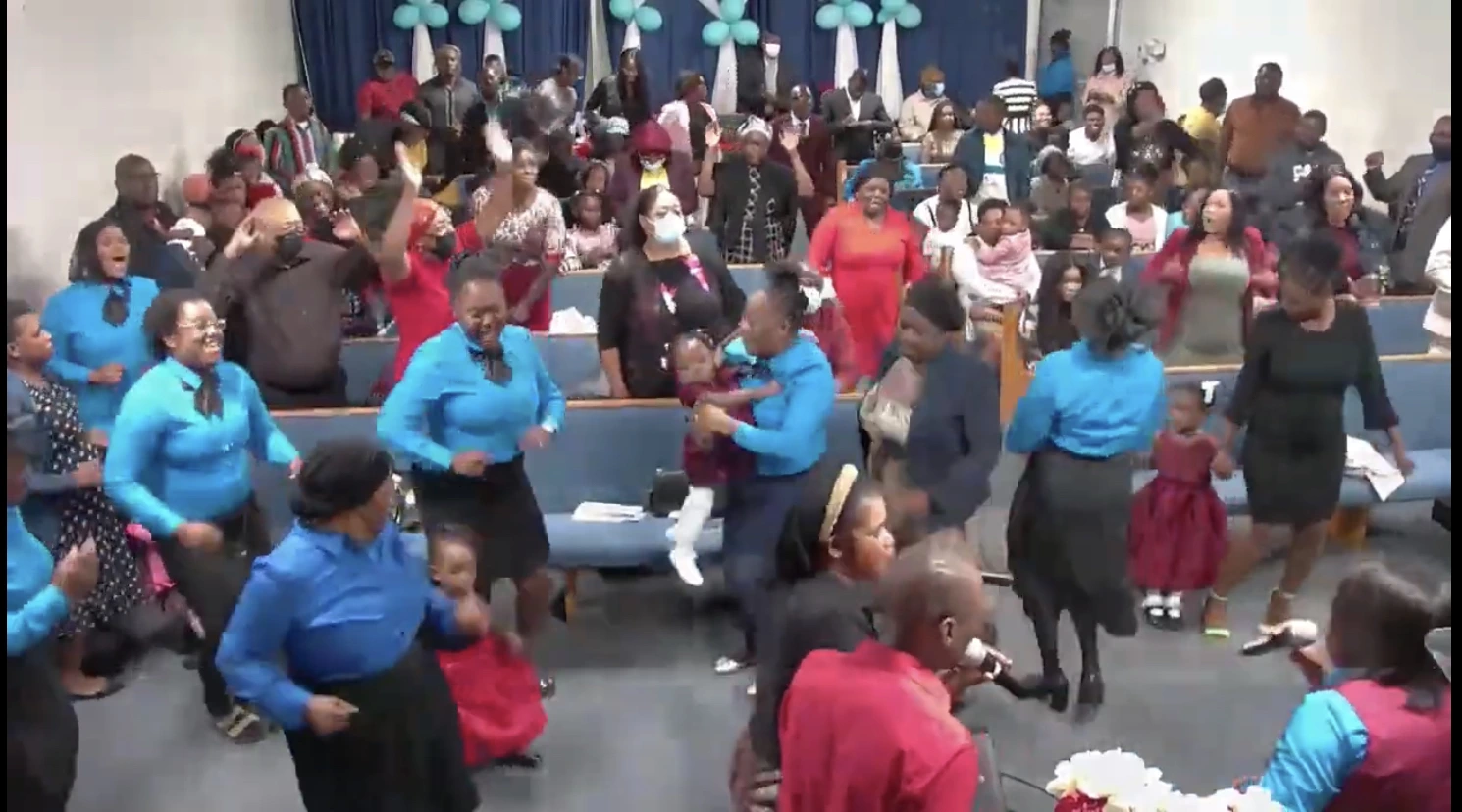
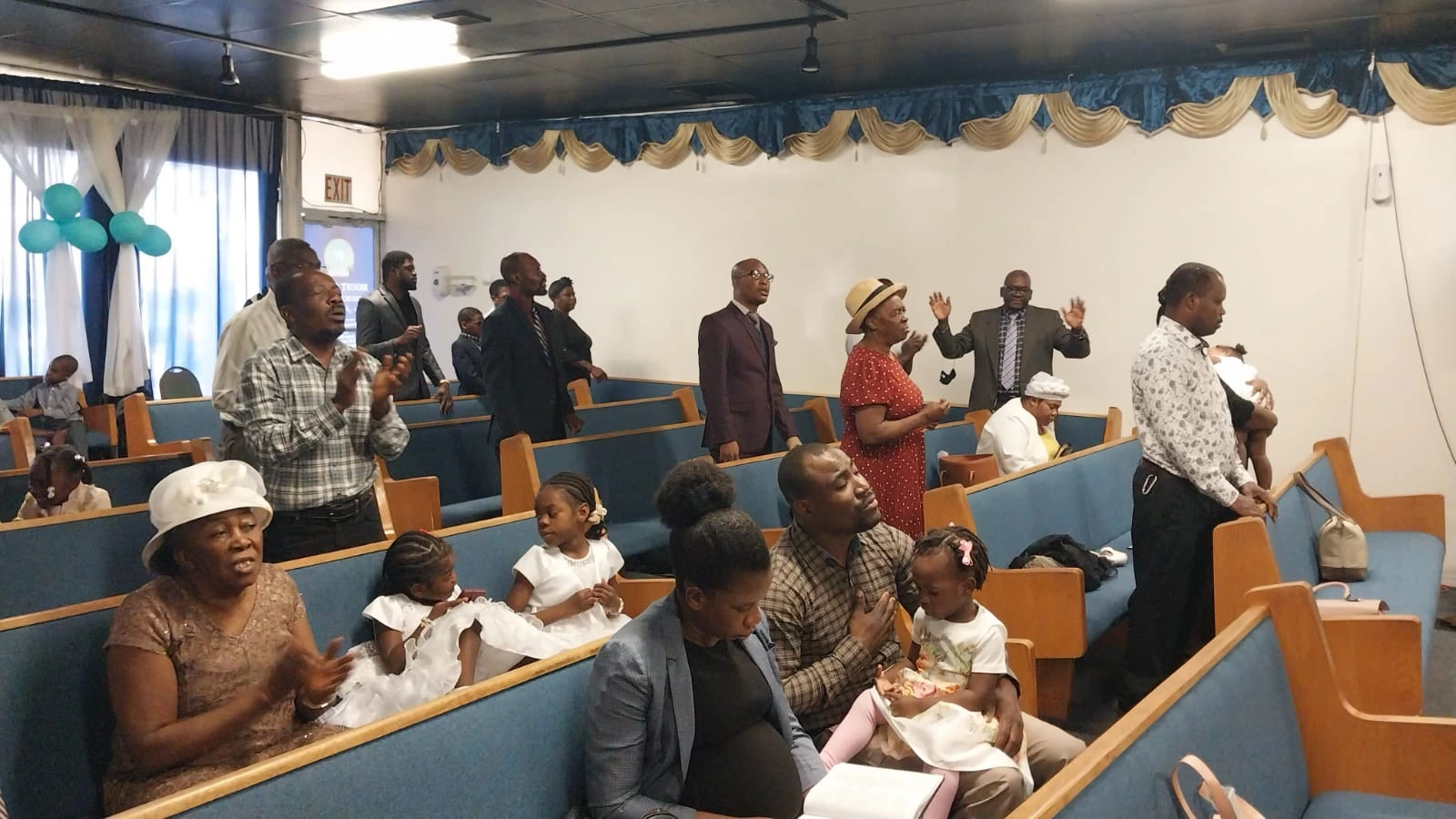
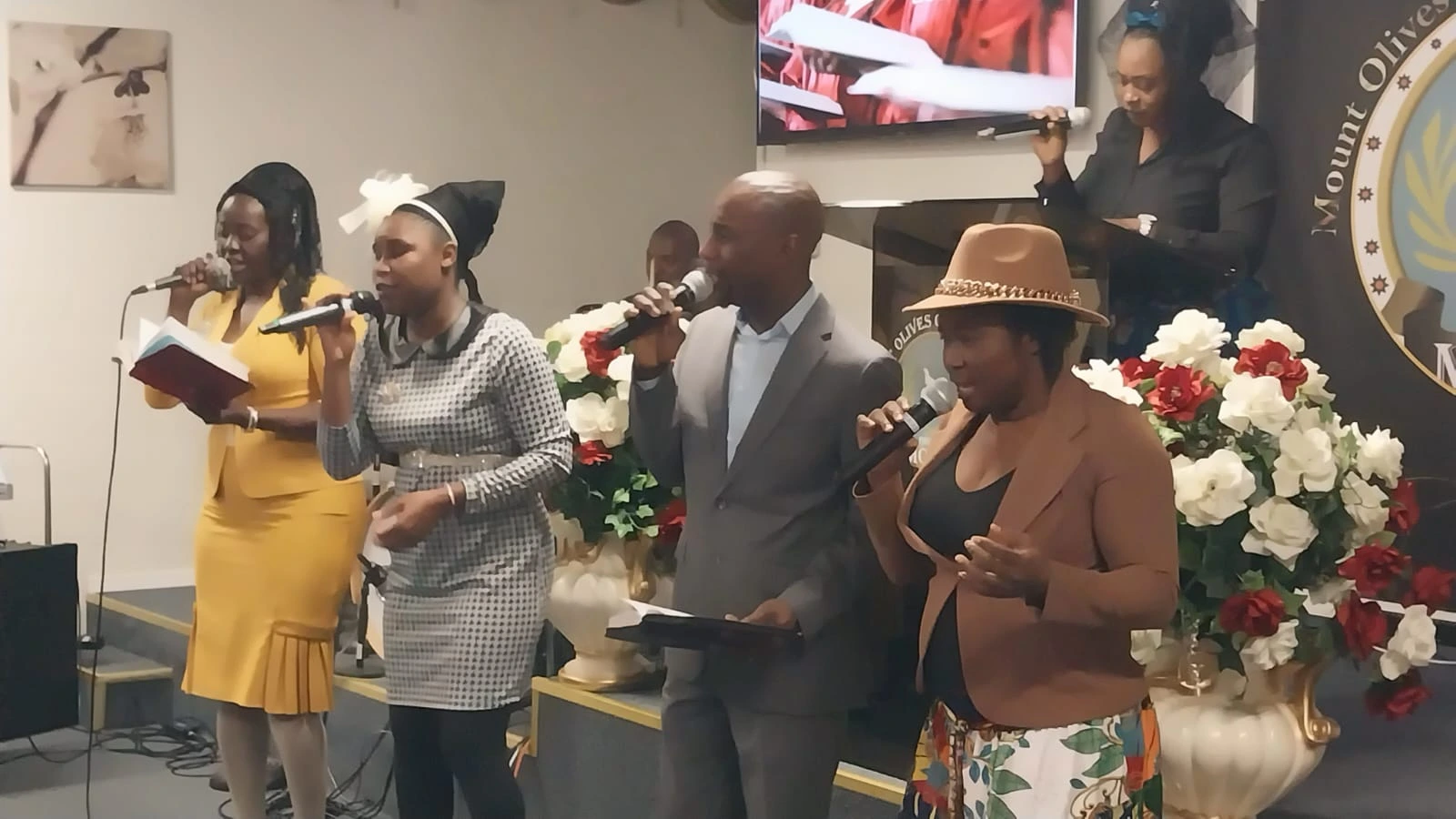
Our church community is a place where people come together to connect with each other and deepen their faith. We welcome all individuals, regardless of background or beliefs, to join our vibrant and inclusive congregation. Through worship, study, and service, we strive to grow in our understanding of God’s love and to share that love with those around us. Whether you are seeking spiritual guidance, looking for a supportive community, or simply curious to learn more, we invite you to join us in unity and faith.
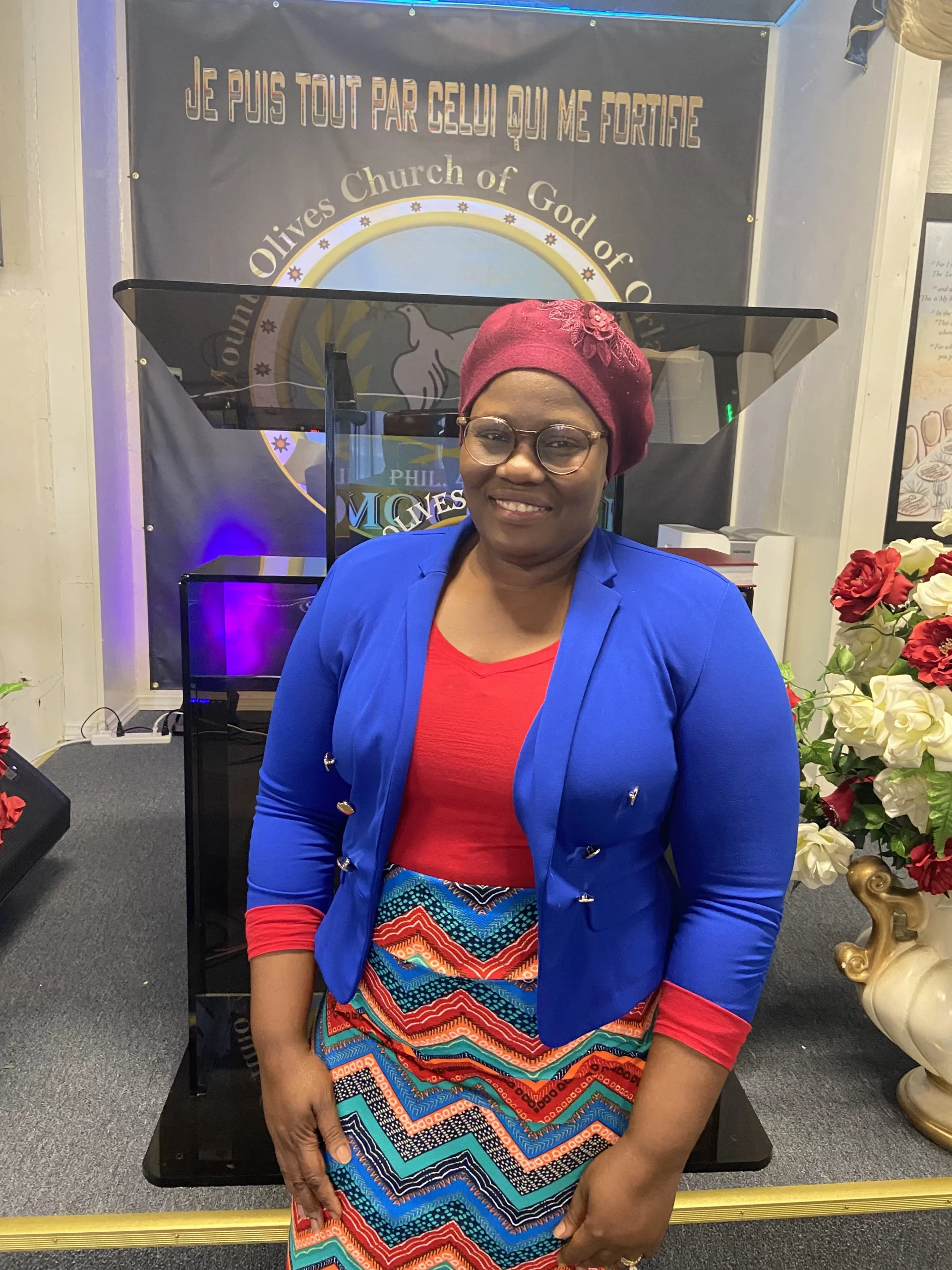
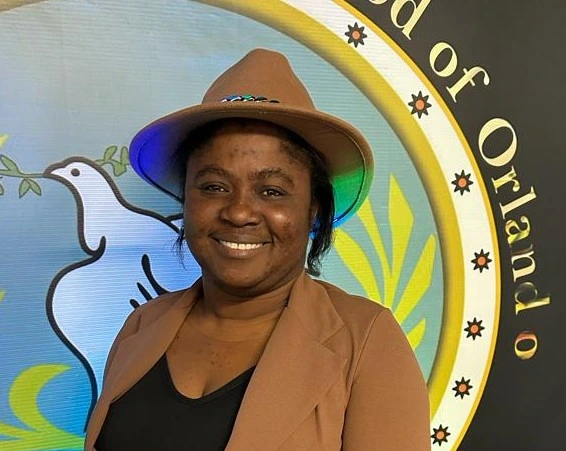
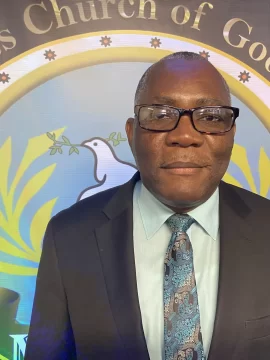
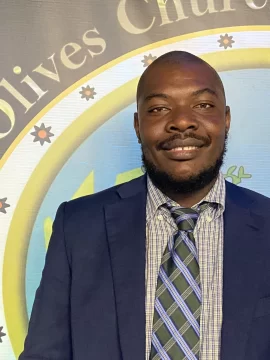
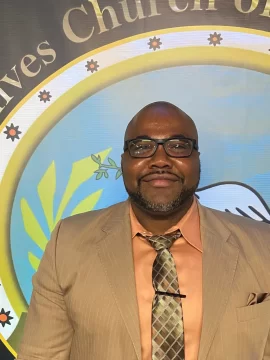
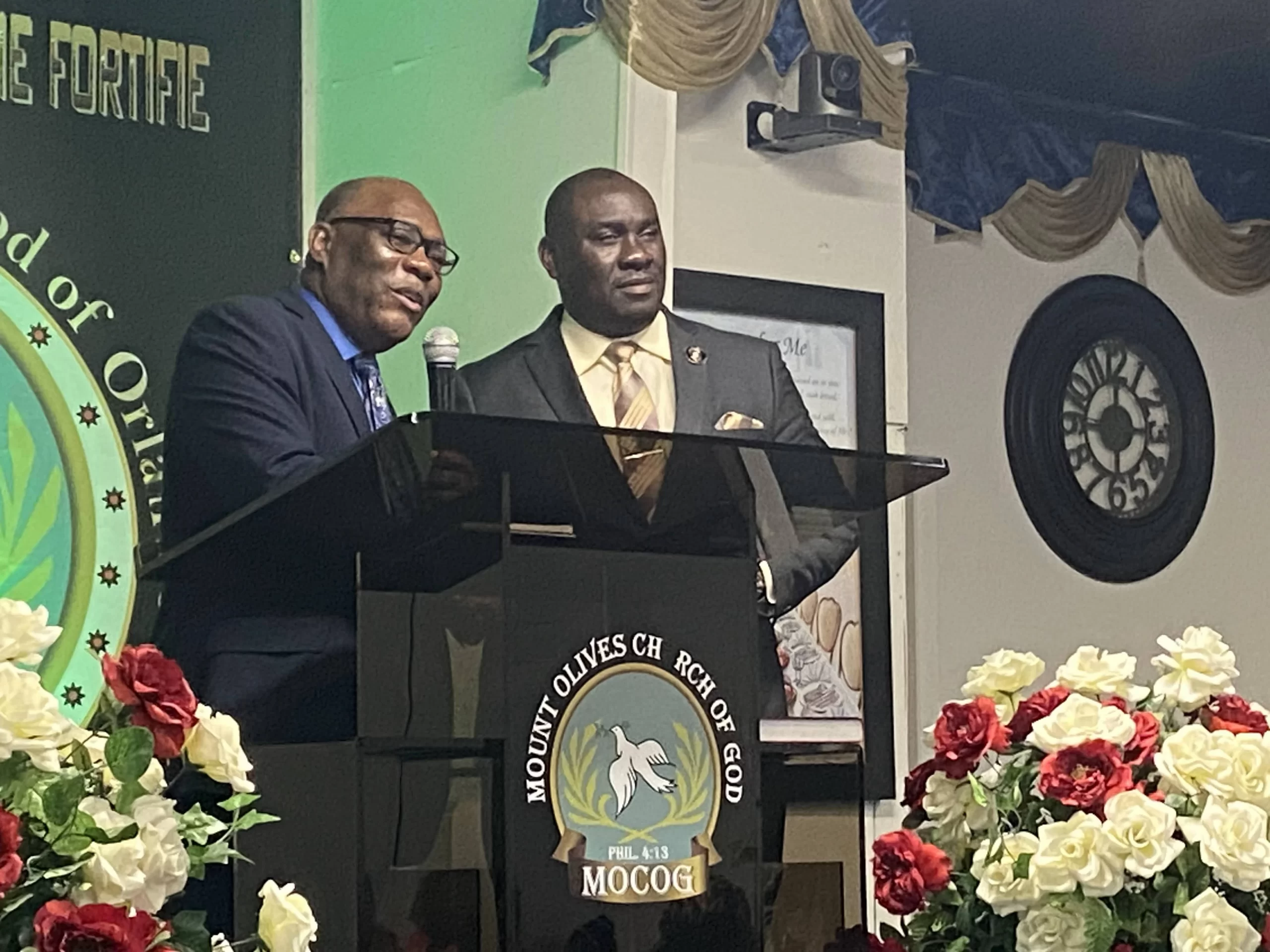
Our board members
Make a Difference Today: Support Our Mission with a Donation!
Our organization is committed to making a positive impact in our community and beyond. With your help, we can continue to pursue our mission and bring about meaningful change in the world. Your donation, no matter how small, can make a big difference in the lives of those we serve. It can help fund critical programs, provide resources to those in need, and empower us to take on new challenges and opportunities. By supporting our mission with a donation, you become a vital part of our efforts to build a brighter future for all. Thank you for considering making a difference today through your generosity and support.


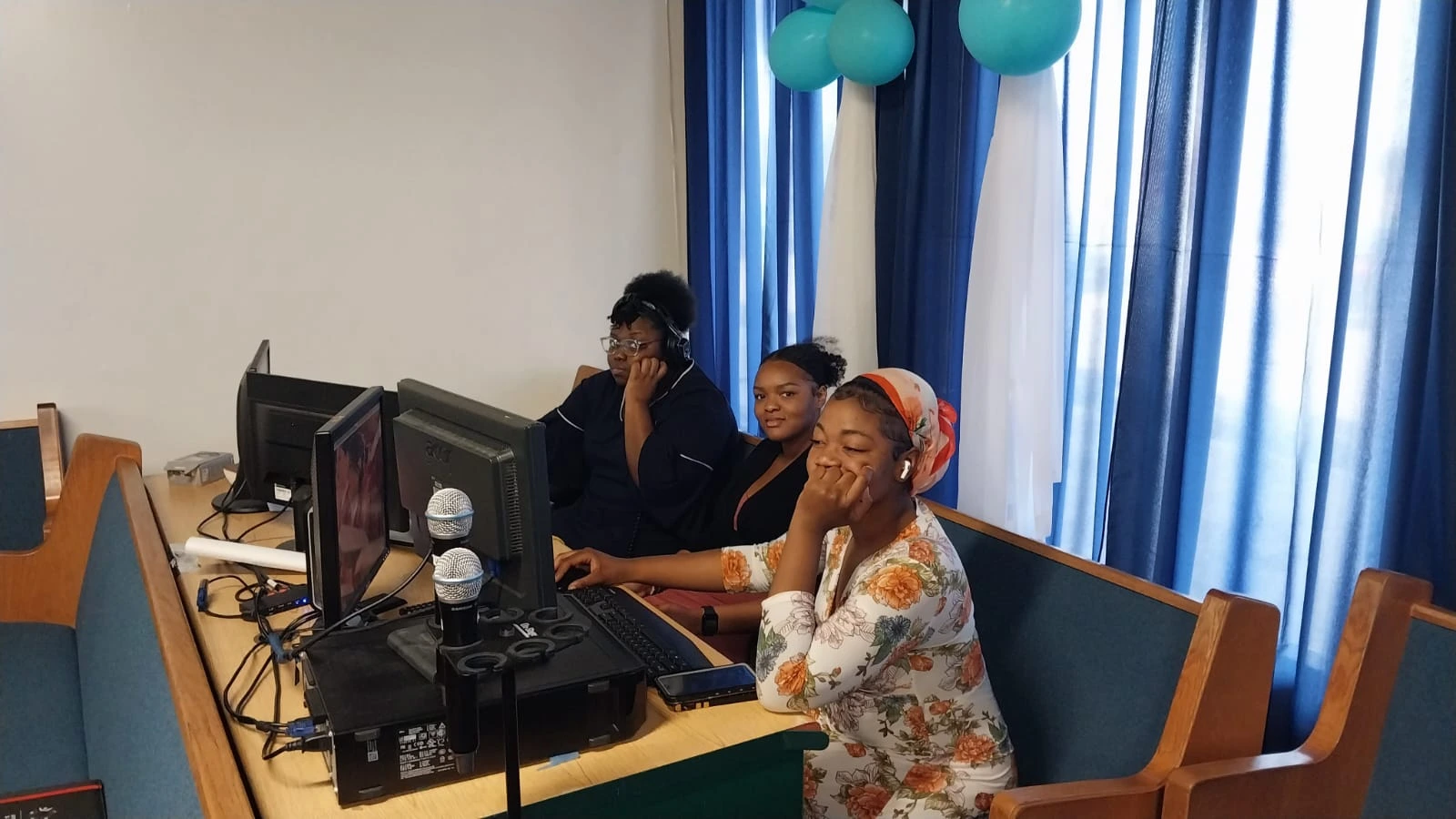
We'd love to hear from you
Contact Us
If you have any questions or would like to get in touch with us, please don’t hesitate to reach out! We are happy to hear from you and are available through several different channels.
Reach us through
-
6220 S OBT, Unit 509
Orlando, FL 32809 - (407) 237-0696
- executive.mocog@gmail.com
Social Networks
connect with us
what we do
Building a Better World: Our Church's
Purpose and Mission
Help the Poor
Through our outreach and service programs, we aim to provide support and assistance to individuals and families who are facing difficult circumstances.
Serve the World
Our church is deeply committed to serving the world and making a positive impact on the global community. Through our “Serve the World” program, we partner with local and international organizations to provide aid, support, and resources to those in need.
working hours
Days | Sunday School | Worship Services | Men's Ministry Meeting | Women's Ministry Meeting | Bible Study | Worship Team Meeting |
Tue | --- | --- | 6:30 pm – 8:30 pm | --- | --- | --- |
Wed | --- | --- | --- | --- | 7:30 pm – 9:30 pm | --- |
Thurs | --- | --- | --- | --- | --- | --- |
Fri | --- | 7:30 pm – 9:30 am | --- | --- | --- | --- |
Sat | --- | --- | --- | 7:30 pm – 9:30 pm | --- | 5:30 pm – 7:30 pm |
Sun | 9:30 am - 10:30 am | 10:30 am - 12:30 pm 7:30 pm - 9:30 pm | --- | --- | --- | --- |